Are comics cool? Short answer: probably not, but they're also not uncool. I don't see people purchasing comic books or reading graphic novels at the library to establish how cool they are. But comics no longer seem to be burning red letters that tell the world how dorky you are (though your mileage may vary). A few decades ago, if one mentioned that they loved to read comics, or collect them as a hobby, they would likely elicit a host of stereotypical judgments. If you were a comic book fan, then you must be a basement dwelling, social outcast, with childlike taste in entertainment, this seemed to be the general consensus and this is often how comic fans were represented in the media.
These days, however, when I mention that I enjoy comics, most people seem to be at least ambivalent, and often they will mention a recent comic book movie or TV show they enjoyed. The rise in popularity of superhero movies and TV shows have likely contributed to the increased awareness and acceptance of comics, manga, and superheroes. But digital culture has also had a huge affect as well.
Before the rise of the internet, most comics weren't readily available from mass market stores and could only be purchased at specialty comic book stores. Many of these stores were not welcoming to newcomers. An attitude of catering to existing fans and the cost of weekly comics likely kept many customers who did not fit the stereotypical ideal of a comic book fan from checking out the medium. Now that comics can be read for free or extremely cheaply and sent as links from a friend or celebrity, the previous gates to the comic book community have begun to crumble.
The comic book fandom are not the only ones who seem to be taking notice that the popularity of their hobby seems to be rising as digital culture dominates. A recent letter submitted to Anime News Network's weekly answer column asked, if anime was now "cool" in the US after seeing several recent celebrities admit to loving anime. The answer columnist, Justin Sevakis, came to a similar conclusion.
Like comics, more people have been exposed to anime and manga as technology has made it easier for people to share their interest. Sevakis explains that, "internet culture, including memes, have embraced anime jokes and art since their earliest days. As these conversations, memes and shitposts filtered into the mainstream, they're absolutely piquing people's curiosity." As visual mediums, comics, manga, and anime are particularly well suited to the creation of joke memes. Additionally, Sevakis believes that the internet has helped spread cultural globalization and opened many people up to the possibilities of different kinds of storytelling, which have helped anime and comics become more popular.
As comics become more popular and accepted, the fanbase has grown. But not everyone appears happy about this, and there have been many conversations about who belongs in comic book and other fandom communities. Both fans and companies appear to be taking notice, and Grebey believes another factor in comic's rise in popularity are the steps the comic book industry has taking to make stories more inclusive and representative. I doesn't seem clear which came first, the understanding that comic book fans are not as white and not as male as previously thought, or the push to publish more interesting and inclusive stories. I'll be looking into many of these questions in other posts.
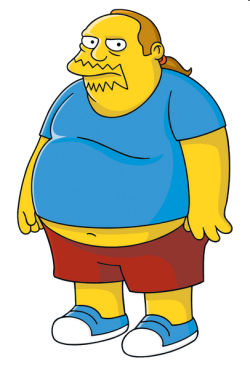
The Comic Book Guy from The Simpsons.
|
James Grebey talks about how digital culture has helped spread the popularity of comics in an article titled, "Comic Books are selling better than they have in 20 years — here's why they're so popular", saying, "as the movie business was subtly making comics seem more alluring, new technology was making it easier than ever to read them — and obsess about them." Grebey points out that online spaces like twitter and tumblr make it easier to talk about and share comics, webcomics serve as free gateways into the world of comics, and websites like Comixology make reading and purchasing comics easier than ever. These all lower the barrier to entry for checking out comics.
Before the rise of the internet, most comics weren't readily available from mass market stores and could only be purchased at specialty comic book stores. Many of these stores were not welcoming to newcomers. An attitude of catering to existing fans and the cost of weekly comics likely kept many customers who did not fit the stereotypical ideal of a comic book fan from checking out the medium. Now that comics can be read for free or extremely cheaply and sent as links from a friend or celebrity, the previous gates to the comic book community have begun to crumble.
The comic book fandom are not the only ones who seem to be taking notice that the popularity of their hobby seems to be rising as digital culture dominates. A recent letter submitted to Anime News Network's weekly answer column asked, if anime was now "cool" in the US after seeing several recent celebrities admit to loving anime. The answer columnist, Justin Sevakis, came to a similar conclusion.
| The Best Anime Meme |
As comics become more popular and accepted, the fanbase has grown. But not everyone appears happy about this, and there have been many conversations about who belongs in comic book and other fandom communities. Both fans and companies appear to be taking notice, and Grebey believes another factor in comic's rise in popularity are the steps the comic book industry has taking to make stories more inclusive and representative. I doesn't seem clear which came first, the understanding that comic book fans are not as white and not as male as previously thought, or the push to publish more interesting and inclusive stories. I'll be looking into many of these questions in other posts.
Comments
Post a Comment